Shutters or Shades for Your New Home in Queen Creek, AZ
Choosing between shutters and shades is one of the first big design decisions in a new home in Queen Creek, AZ. Both handle bright desert sun beautifully, yet they look and work in very different ways. This guide compares the two side by side on style, light and heat, big glass, motorization, cleaning, cost and timing, so you can decide room by room with confidence.
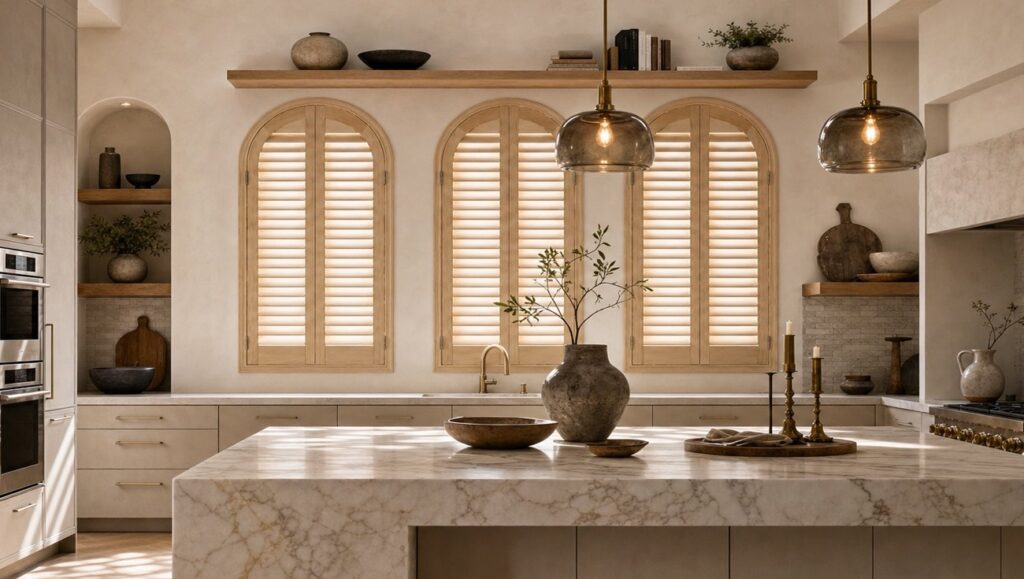
How Each One Looks and Feels
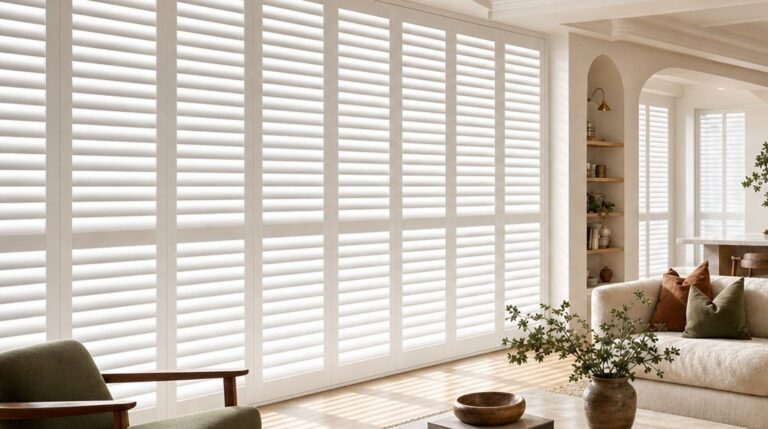
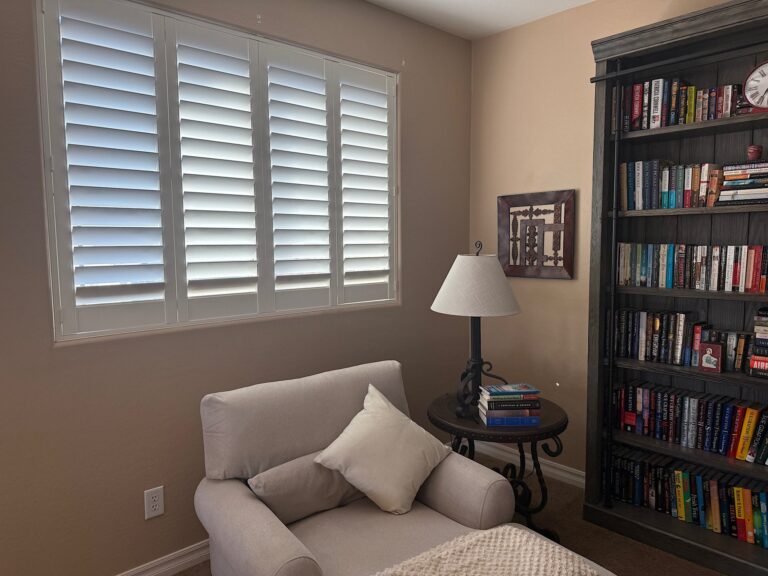
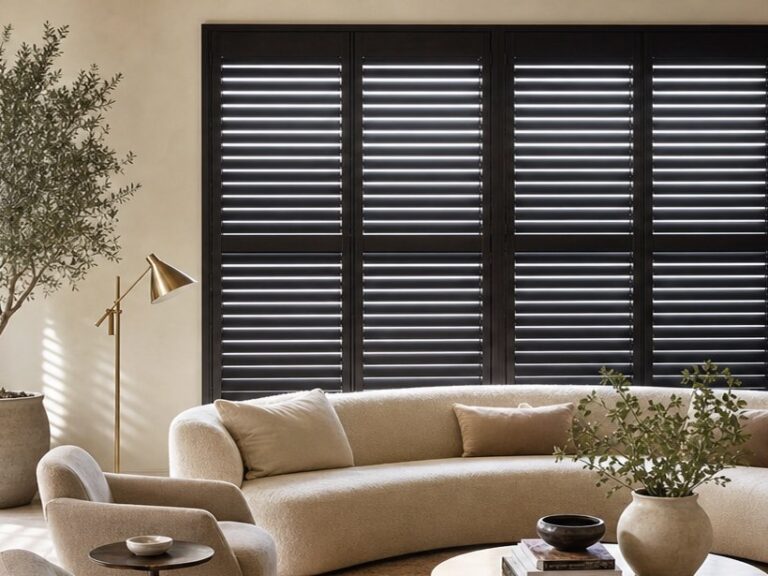
Shutters read as finish carpentry. Plantation shutters sit in a frame that works like window trim, so they look built into the house instead of hung on it. Buyers often see them as a lasting upgrade that stays with the home, much like upgraded flooring or cabinetry, and that permanent feel carries through when it is time to sell.
Shades bring softness and a clean line. A raised shade nearly disappears, leaving the full window and the view on display. Fabric, texture and color give you an easy way to warm up a modern room.
Light and Heat Control in Arizona Sun
Shutters steer light with a tilt. Louvers angled upward bounce daylight onto the ceiling while keeping direct sun off floors and furniture, and closed panels add a solid layer between hot glass and the room. Vinyl and composite shutters hold their finish on sunny exposures, which is why so many plantation shutters Arizona homeowners choose for west glass are composite or hybrid.
Shades filter or insulate with fabric. Solar screen fabrics cut glare while you keep the view of the yard. Honeycomb shades trap air in their cells, a strong pick for south and west rooms that warm up in the afternoon, and room darkening fabrics keep bedrooms restful.
Large Sliders and Stacking Doors
Shades and soft panels glide aside. Wide sliding and stacking doors work best with a covering that clears the opening completely. Sheer vertical shades and gliding panels draw to one side like drapery, and a roller or screen shade mounted high above the door lifts fully out of the way.
Shutters can cover doors too. Bypass shutter panels slide on a track across a patio door, and bifold shutter panels fold and stack tightly to one side of a wide opening. Shutters on a door match the windows beside it, while shades leave more glass open when the door is in use.
Tall Windows and Transoms
Height favors a slim shade. Two story great rooms and transoms above doors are hard to reach, so a shade with a slim headrail and a motor is often the simplest answer. Roller and honeycomb shades stack neatly at the top of tall glass, and larger cell sizes suit oversized windows.
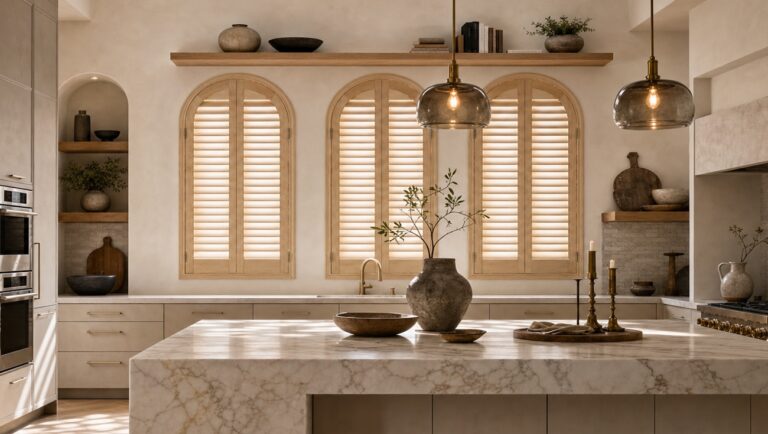
Shutters frame shaped glass. Arches, half rounds and angled tops can take custom shutter panels that trace the glass, and a fixed panel on a high transom finishes the wall with nothing to adjust.
Motorizing Shutters and Shades
Shades offer the widest range of motor choices. Smart home automation runs roller, screen, honeycomb and Roman shades from an app, a handheld remote, a schedule or voice assistants.
Shutters can tilt on a schedule. Motorized vinyl shutters work with the same controls as your shades, and some shutter motors use rechargeable batteries topped up by a built-in solar panel. A schedule that closes west louvers or lowers west shades before the afternoon heat works the same way with either choice, and our motorized window coverings page shows the full range.
Cleaning and Everyday Care
Shutters wipe clean in minutes. Hard louvers gather dust like any trim, and a soft cloth, duster or vacuum brush takes care of it. Composite, vinyl and polyresin panels handle a damp cloth, which makes them a favorite for kitchens, baths and laundry rooms.
Shades prefer a gentle routine. Most fabric shades stay fresh with light dusting or a vacuum on low with a brush attachment. We point out which fabrics allow spot cleaning when you choose them.
Cost and Timeline in General Terms
Shutters are a larger first step. Each shutter is custom built to its opening with its own frame, so shutters usually sit toward the higher end of a window covering plan, and their lead times tend to run longer than many shades. Since both are made to the finished opening, placing shutter orders first helps everything arrive close together.
Shades scale easily room by room. Roller, solar and honeycomb shades span a wide range, from simple manual lifts in secondary rooms to motorized designer fabrics in the great room. A popular approach for Queen Creek new construction homes is shutters in the front rooms and shades everywhere else, which keeps the whole house finished at move-in.
Mixing Both with One Street View
Give each room its best fit. Front rooms, dining rooms and offices often look their best with shutters, while great rooms with big sliders and bedrooms that want room darkening often lean toward shades. A home that uses both plays to the strengths of each, and our guide to window coverings for new homes in Queen Creek covers room by room planning in more detail.
Keep the curb view consistent. Choose a white or soft neutral shutter color and shade fabrics with a matching street side tone, so the front of the house looks calm and unified. Using the same louver size across the front windows and mounting shades inside the frame at a similar height helps the whole facade read as one design.
Where It Fits
New homes in Queen Creek, AZ often pair stucco exteriors with tall great room windows and wide sliders in modern farmhouse, Spanish Colonial and desert contemporary styles. Shutters suit the trim details of farmhouse and Spanish Colonial rooms, while slim shades keep desert contemporary spaces open to the view.

What We Carry
We carry premium, trusted brands, and we bring samples from several of them to your home so you can compare quality, colors and features side by side.
Shutter and Shade Questions for New Homes
Are shutters or shades better for west-facing windows?
Both work well. Composite or vinyl shutters hold up to strong afternoon sun and close fully against the heat, while honeycomb or solar shades insulate or cut glare and can be motorized to lower on a schedule. Many homeowners choose based on the look they want in that room.
Can plantation shutters go on a large sliding door?
Yes. Bypass panels slide on a track across the door, and bifold panels fold and stack to one side. For very wide stacking doors, sheer vertical shades or gliding panels clear the opening completely.
Can shutters be motorized like shades?
Yes. Motorized vinyl shutters tilt their louvers from an app, a remote or a schedule, and some shutter motors run on solar charged batteries. Shades offer even more motor and control options.
Will mixing shutters and shades look uneven from the street?
Not when the colors are planned together. A white or neutral shutter finish paired with shade fabrics that have a matching street side tone, mounted at similar heights, gives the front of the house one consistent look.
Is measuring and installation part of the price?
Measuring is part of your complimentary consultation. We take measurements while we look at your windows together, so your quote is built around your home. Professional installation is quoted separately and coordinated by our team with our trusted local installer, so your new window coverings go up beautifully and work just right from day one.
Let’s Compare Shutters and Shades in Your Home
If you are deciding between shutters and shades for your new home in Queen Creek, we would love to help you see both in your own rooms. Schedule a complimentary in-home consultation. You can also explore our shutters and shades.
You might also enjoy A Finished Home from Day One: Window Coverings for New Homes in Queen Creek.
By the Pearl & Co Design Team. Pearl & Co is a woman-owned window covering company serving Queen Creek, Arizona. We love helping new homeowners settle in, with shutters, shades, blinds and drapery chosen for the way they live.