Bright Rooms, Softer Sun: Solar Shades in Phoenix
Phoenix gives you bright sun most of the year, wide desert skies and mountains on nearly every horizon. It also gives you afternoon glare that can wash out a TV, warm a tile floor and fade a rug by midsummer. Solar shades let you keep the light and the view while taking the edge off that sun. Here is how to pick the right weave, color, lift and brand for each room of a Phoenix home.
What Makes a Shade a Solar Shade
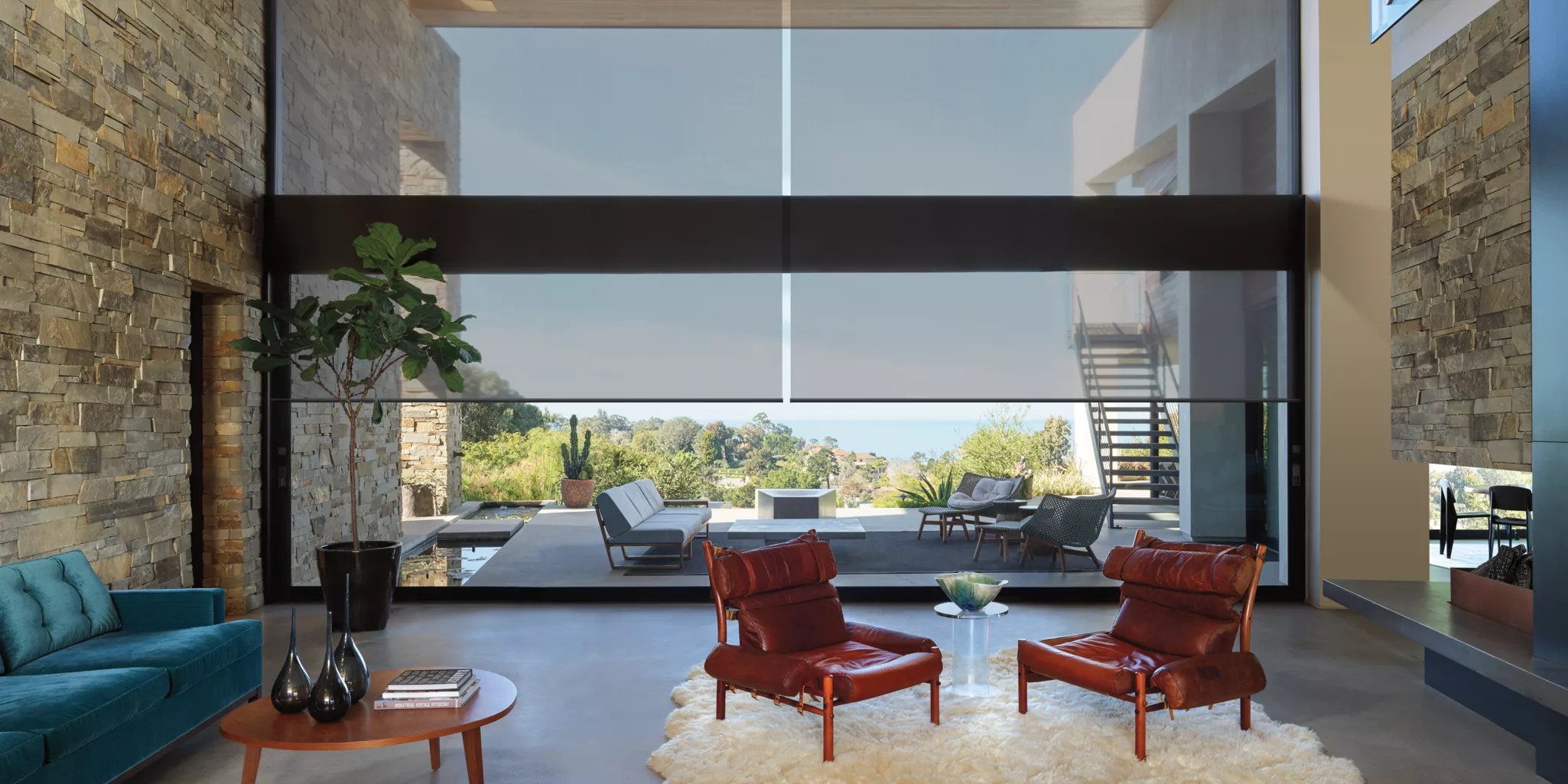
It starts with a screen fabric. A solar shade is a roller shade made from a tightly woven screen instead of a solid cloth. The weave catches much of the sun’s heat, glare and UV before it reaches the room, yet the small openings let you see out. That helps protect floors and furnishings from fading while you keep the view.
The look stays simple. When raised, the fabric rolls onto a slim tube at the top of the window and nearly disappears. Lowered, it hangs flat and smooth against the glass.
Picking the Right Openness
Openness tells you how much light gets through. Screen fabrics are rated by the share of open space in the weave, usually 1, 3, 5 or 10 percent, with a 7 percent option on some fabrics. A 5 percent weave blocks about 95 percent of UV rays, while 1 percent gives the strongest protection and 10 percent keeps the widest view.
Match the weave to the room’s job. Living spaces with art, hardwood or leather do well at 1 or 3 percent, where fade protection matters most. Kitchens and casual family rooms often feel best at 5 percent, and shaded patio doors can go to 10 percent so the yard stays bright and clear.
How Color Changes Light and View
Dark screens give the sharpest view. Charcoal, bronze and black absorb glare, so your eye reads straight through the fabric to the yard and sky. They suit great rooms built around a mountain or city view.
Light screens brighten and reflect. White, linen and stone send more heat back toward the glass and give the room an airy glow, though the view looks softer. Many homes use darker screens on view walls and lighter ones in secondary rooms.
Room by Room in a Phoenix Home
Great rooms and kitchens are made for screens. These spaces carry the largest glass and the longest afternoons, so a solar shade keeps the room comfortable without closing it off. A home office benefits too, since a 3 percent screen trims glare on monitors while daylight still fills the room.
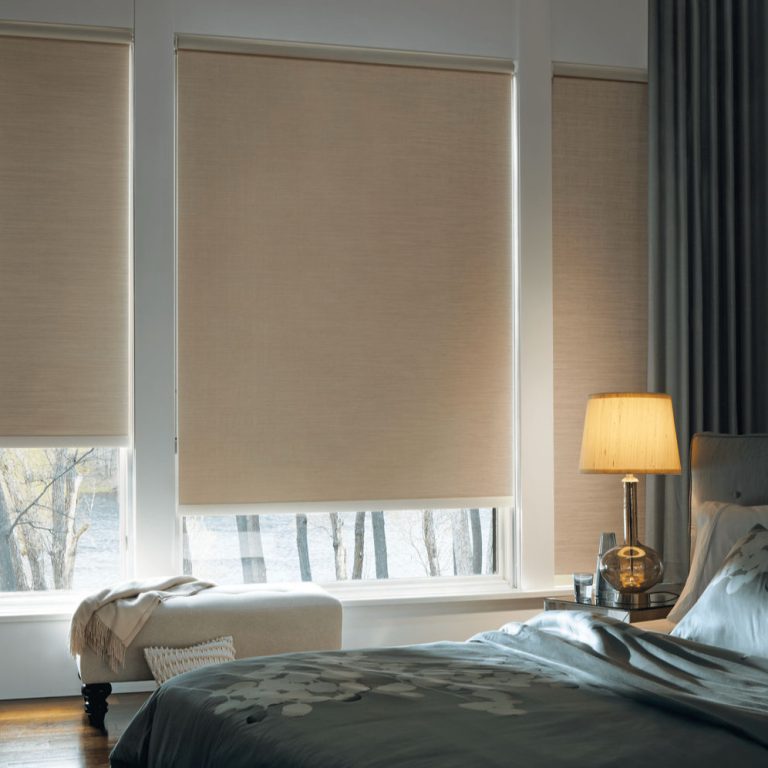
Bedrooms, media rooms and baths need more. A screen alone softens light but does not darken a room or give full evening privacy. In these spaces a room darkening roller, or a screen paired with one, is the better fit.
Which Way Your Windows Face
West glass works the hardest in Phoenix. Late sun sits low and strikes west windows at eye level from spring into fall, so these openings call for a 1 or 3 percent weave in a darker color. South windows take sun for much of the day and do well with 3 or 5 percent.
East and north glass can stay more open. Morning sun on east windows is bright but short, and a 5 or 10 percent screen usually handles it. North light is gentle all day, so a lighter color in a more open weave keeps those rooms cheerful.
Daytime and Evening Privacy
Screens are private by day and open at night. In daylight, the bright outdoors makes the fabric look solid from outside while you see out clearly. After sunset, with lamps on inside, that effect flips and people outdoors can see in.
A dual shade covers both. Dual roller shades put two fabrics on one window. A common pairing is a solar screen in front and a room darkening fabric behind, each lowering on its own.
Cassettes, Edges and Cordless Lifts
A finished top hides the roll. Square and round fabric-wrapped cassettes, contour valances and slim aluminum fascias cover the roller at the top of the window. Choosing the cassette, bottom rail and lift together gives a tailored finish.
Side channels and lifts finish the job. Side and bottom channels close the thin gaps where light slips past the fabric. For lifts, a cordless lift raises the shade with a light touch, child-safe lifts suit homes with little ones, and a smooth beaded loop is a simple classic.
Motorized Solar Shades
Motors are made for big Phoenix glass. Motorized controls run shades from an app, remote or voice assistant on a schedule you set, and a small solar panel at the window can keep rechargeable motors topped up. Smart home automation can bring your shades into the same routines as your lights and thermostat.
Let the schedule lower the shades for you. Program west screens to drop before the hottest part of the afternoon and rise after sunset, so rooms stay comfortable even when you are away. Motors also make clerestory glass easy.
Planning for a New Home
Talk about shades before drywall. If you are building, ask your builder to add power and blocking where hardwired motors will go, especially on tall walls of glass. Rechargeable battery motors work well for any window you decide on later.
Look at pockets, depth and sliders early. Recessed pockets above the glass can hide roller shades completely, and deep sills suit a clean inside mount. For wide multi-panel sliders, extra-wide screens or panel track systems keep large openings easy to use. We go over all of this during your consultation.
Where It Fits
Newer Phoenix homes range from desert contemporary designs with walls of glass to Spanish Colonial and modern ranch styles with deep stucco openings. Solar shades sit quietly in all of them, keeping lines clean and the desert in view.
What We Carry
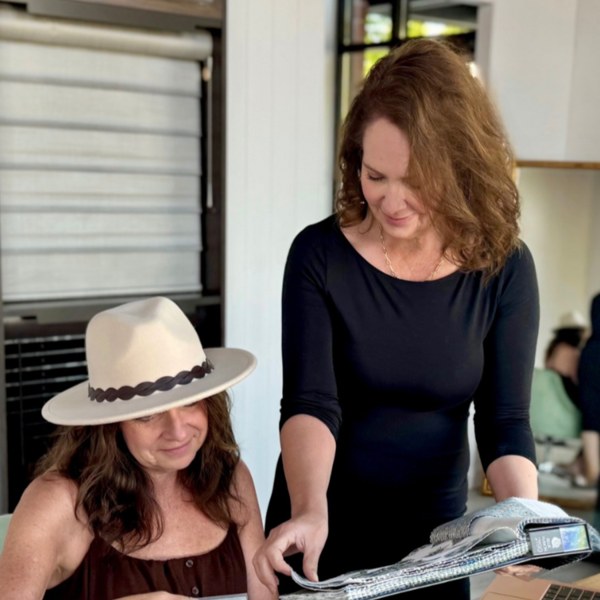
We carry premium, trusted brands and bring samples from several of them to your home so you can compare quality, colors and features side by side. Holding solar screen shades from several makers against the same window shows quickly which weave and color suit your light.
Solar Shade Questions
Will solar shades make my Phoenix rooms cooler?
They help a great deal. The screen stops much of the sun at the glass before it warms floors and furniture, so rooms feel calmer on summer afternoons. Tighter weaves and darker colors cut the most glare, and lighter colors bounce back more heat.
How much of the view do I keep?
Most of it during the day. A 5 or 10 percent weave in a dark color reads almost like tinted glass, while a 1 percent weave or a light color softens the scene more. We hold samples up to your own windows so you can compare before you choose.
Do solar shades work in bedrooms?
They work best paired with a second fabric. A dual roller shade puts a screen and a room darkening fabric on one window, so you get daylight with a view and full darkness at night from the same spot.
Will the fabric fade or sag in Arizona sun?
Quality screen fabrics are made to hold their shape and color in strong sun. Some screen fabrics are also made from recycled materials, and we walk through warranty details for each option during your consultation.
Is measuring and installation part of the price?
Measuring is part of your complimentary consultation. We take measurements while we look at your windows together, so your quote is built around your home. Professional installation is quoted separately and coordinated by our team with our trusted local installer, so your new window coverings go up beautifully and work just right from day one.
See Solar Fabrics in Your Own Light
If solar shades are on your list for a Phoenix home, we would love to help. Schedule a complimentary in-home consultation. You can also explore our window shades or learn more about our window coverings in Phoenix.
You might also enjoy Roller and Solar Shades for Arizona Homes and Window Treatments for Sliding Glass Doors.
By the Pearl & Co Design Team. Pearl & Co is a woman-owned window covering company with family roots in Arizona. We help Phoenix homeowners choose shades, blinds and shutters that keep rooms comfortable and views wide open.