Your Window Coverings Checklist for a New Construction Home in Queen Creek
Buying one of the new homes in Queen Creek, AZ means a long list of decisions, and window coverings fit neatly into the build schedule when you know what to do at each step. This checklist follows a typical new construction timeline, from design selections to the week you move in, so each choice lands at the moment it is easiest to make. For a wider look at products and room priorities, see our guide to window coverings for new homes in Queen Creek.
Stage One: Contract and Design Selections
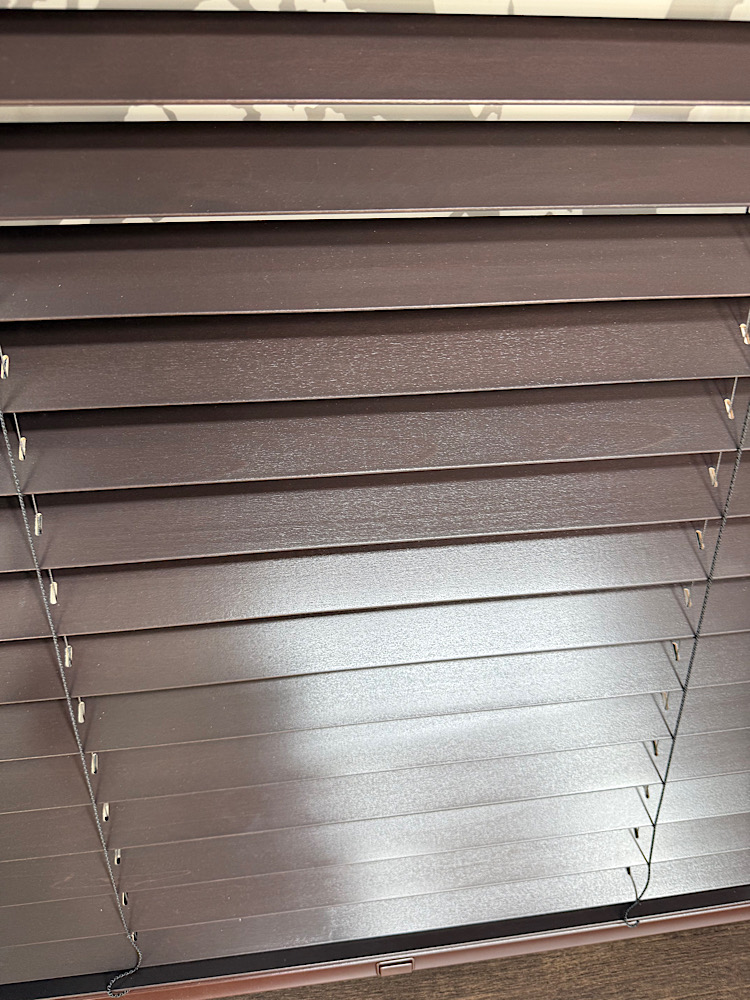
Find out what the builder plans for the windows. Some builders offer a basic window blind package, and others hand over the keys with bare glass. Knowing which one is on your contract lets you decide early where to keep builder blinds and where custom coverings will do the heavy lifting.
Flag the special openings on your plans. Mark the tall great room glass, windows set high on a stair wall, corner windows and each sliding or stacking door. These are the openings that shape product choices, motor placement and hardware, so noting them now keeps the rest of the checklist simple.
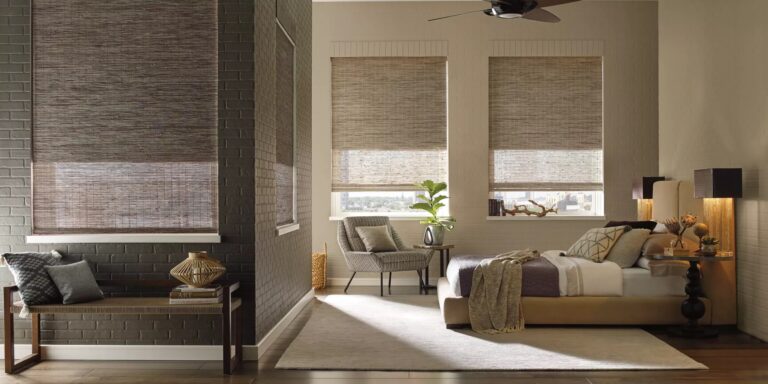
Choose finishes with coverings in mind. Paint, trim color, flooring and door hardware set the palette your shutters, shades and drapery will follow. Save swatches and a photo of your hardware finish, since matching rods and shutter colors to them later takes only a glance.
Stage Two: Before Drywall
Mark where motorized shades will go. If you want shades that run on a schedule, decide which windows get them while the studs are open. Hardwired motorized shades use low voltage cable for power and control, and a marked floor plan with each shade location is all your electrician needs. Plug-in transformers work well too, so an outlet near the top of a large window gives you another clean power choice.
Ask for blocking that reaches past the frame. Wood blocking above patio doors and wide windows gives drapery rods, traverse rods and motorized tracks a solid anchor. Extending it several inches beyond each side of the opening lets panels stack clear of the glass, so the view stays wide open.
Ask about a recessed shade pocket. Some builders can frame a pocket in the ceiling or header above large glass that hides a roller shade completely. It is simplest to frame during construction and gives the room a clean, architectural finish.
Photograph the open walls. Pictures of wiring and blocking before drywall show exactly where everything sits. Our team can use them later to place brackets right where the support is.
Stage Three: After the Windows Are Set
Check depth and clearance. Once drywall returns are finished, the depth of each frame tells you whether a shade or shutter can sit inside the opening. Note crank handles, locks and alarm sensors that stick out, since they guide the choice between inside and outside mounts.
Book your measure. Final measurements wait until frames and walls are complete, because openings can vary slightly from the plans. During your complimentary consultation we measure and bring samples, which is the best way to see how a fabric looks against your new paint and floors.
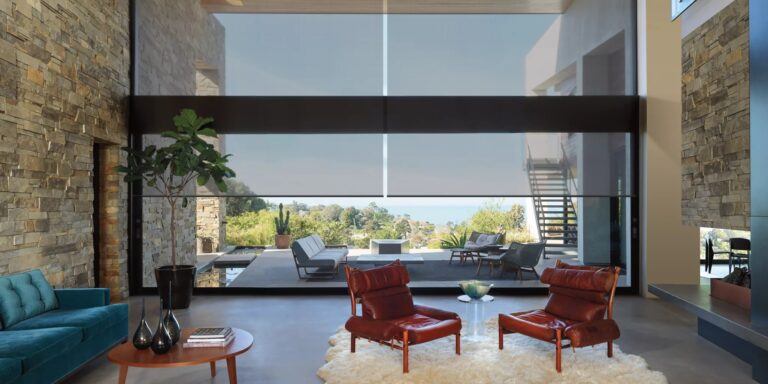
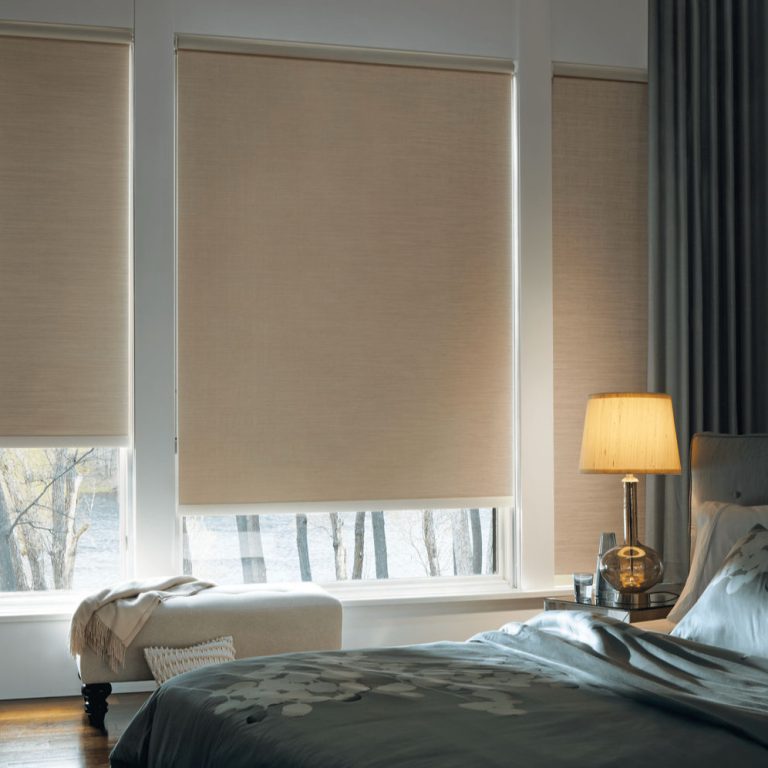
Choose products room by room. Bedrooms rest well with room darkening shades such as roller shades or insulating honeycomb shades. Baths and laundry rooms suit moisture friendly shutters in vinyl or polyresin, and the great room keeps its view with solar screen shades.
Stage Four: Final Walkthrough
Look at each opening as a finished surface. At your builder walkthrough, check that sills, returns and trim around the windows are smooth and square. Small touchups noted on the walkthrough list are handled before closing, and clean returns let inside mount shades and shutters sit neatly.
Confirm the prewire and blocking. Make sure low voltage wires are labeled and reachable at each shade location, and that outlets near tall windows have power. Compare the finished walls with your photos from before drywall so nothing is hidden behind fresh paint.
List the builder blinds you plan to replace. If your home came with basic blinds, note the rooms where custom coverings will take their place. A clear list keeps install day organized and lets you hold on to builder blinds in rooms you plan to update later.
Stage Five: Closing to Move-In
Place your order soon after the measure. Custom coverings are made to your exact measurements, so ordering promptly helps them arrive close to move-in. Phasing works well too: start with the rooms you need first and add the rest on your own schedule, keeping one color family so the house looks unified.
Plan simple privacy for the first nights. Temporary paper shades keep bedrooms and baths private while your custom coverings are being made. They press onto the frame and come down cleanly on install day.
Prepare for install day. Clear the sills and the space in front of the windows, and have your Wi-Fi details handy for motorized shades. Professional installation is coordinated by our team with our trusted local installer, so each covering is fitted and tested before you settle in.
Set up schedules and scenes. Smart home automation lets you group shades into scenes and set them to move on their own. A scene that lowers west-facing shades before the afternoon heat is a favorite in an Arizona home, and custom drapery on a motorized track can join the same routine.
Where It Fits
Made for the way Queen Creek builds. Queen Creek new construction homes often pair open great rooms with tall windows and wide patio doors in modern farmhouse and desert contemporary styles. Working through this checklist stage by stage means those big openings are planned, powered and supported long before the moving truck arrives.

What We Carry
Trusted brands in one plan. We carry premium, trusted brands, and we bring samples from several of them to your home so you can compare quality, colors and features side by side. Seeing them together lets you finish the whole house from one consultation.
New Construction Checklist Questions
When should I schedule the measure for a new construction home?
Once the windows are set and the drywall, trim and paint around them are finished. Openings can vary slightly from the plans, so measuring the finished frames gives the most accurate fit. Planning and product choices can start much earlier, during design selections.
Should I keep the blinds that come with my builder package?
That depends on your goals for each room. Many owners keep simple builder blinds in secondary rooms for now and choose custom shutters, shades or drapery for the great room, primary suite and front of the house. Listing those rooms at your walkthrough keeps install day organized.
What should I ask my builder for before drywall?
Ask for low voltage wire to any window that will get hardwired motorized shades, wood blocking above wide glass and patio doors for drapery or heavy shades, and an outlet near tall windows where a plug-in power supply makes sense. If your plan allows it, ask about a recessed pocket above large windows to hide a roller shade.
How do I keep bedrooms private before my custom coverings arrive?
Temporary paper shades are an easy fix. They press onto the frame, give you privacy from the first night and come down cleanly on install day, when your custom coverings take their place.
Is measuring and installation part of the price?
Measuring is part of your complimentary consultation. We take measurements while we look at your windows together, so your quote is built around your home. Professional installation is quoted separately and coordinated by our team with our trusted local installer, so your new window coverings go up beautifully and work just right from day one.
Let’s Plan Your Build Together
If you are building a new construction home in Queen Creek, we would love to help you check off each stage with confidence. Schedule a complimentary in-home consultation.
You might also enjoy A Finished Home from Day One: Window Coverings for New Homes in Queen Creek.
By the Pearl & Co Design Team. Pearl & Co is a woman-owned window covering company serving Queen Creek, Arizona. We love helping new homeowners plan each step of the build, with blinds, shades, shutters and drapery chosen for the way they live.