Easy Light at a Touch: Planning Motorized Shades for Your Queen Creek New Build
A new Queen Creek home is the best moment to plan motorized shades. The walls are open, the electrical plan is still flexible and every big window is easy to picture with a shade that lowers itself before the afternoon sun arrives. A few early choices about power, controls and fabric make the difference between shades you tolerate and shades you never think about. Here is how to plan them well.
Why Plan Motors During the Build
Wiring is easy before drywall. Once the walls are closed, adding power at a window head means cutting, patching and repainting. During framing, your electrician can run a line to the top of each window you choose in one trip, and your builder can add solid blocking where heavier brackets will mount.
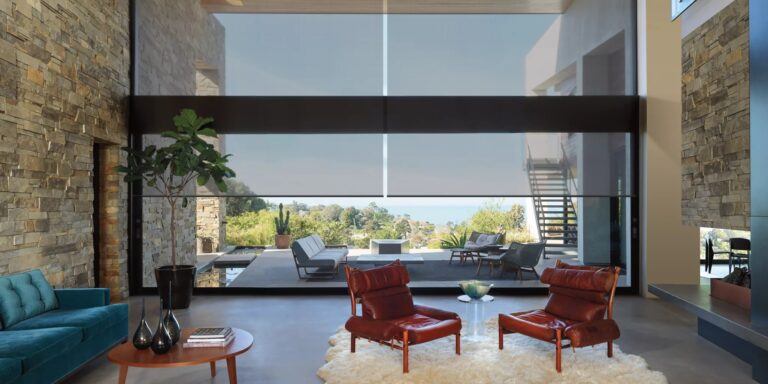
New floor plans favor big glass. Two story great rooms, clerestory windows above the kitchen and wide multi-panel patio doors are common in new homes here. Those are exactly the windows that are hard to reach by hand and easiest to enjoy with a motor.
Shade Styles That Pair Well with Motors
Roller and solar shades are the classic match. Their slim profile and simple lift suit wide spans of glass, and solar screen fabrics cut glare while keeping your view of the yard. Room darkening roller fabrics turn the same motor into a quiet bedroom solution.
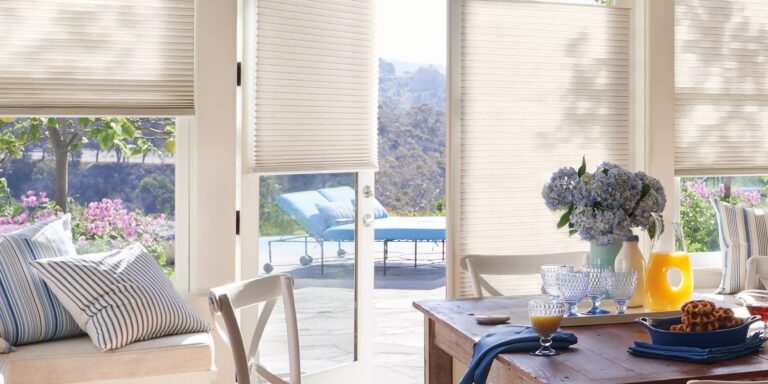
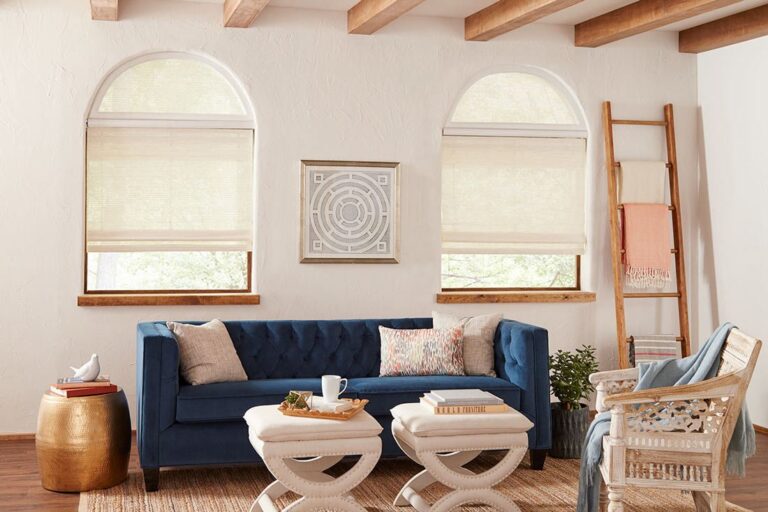
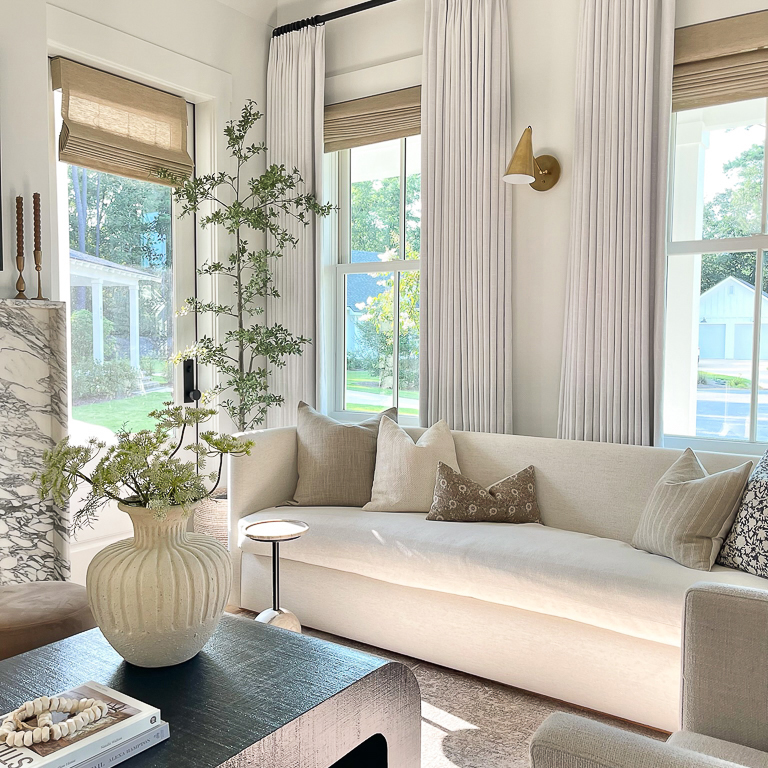
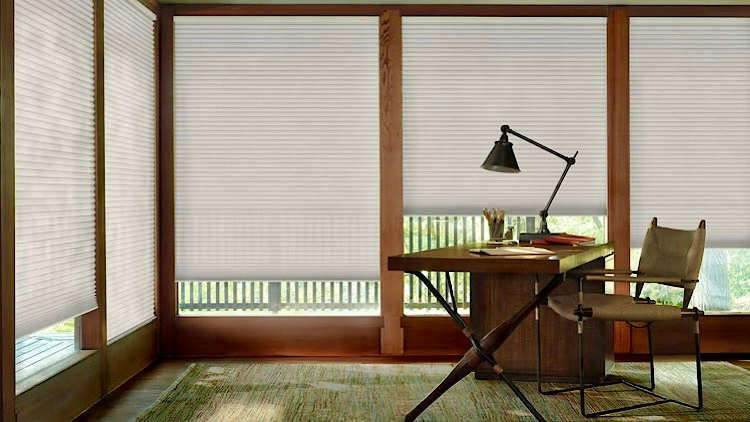
Honeycomb and Roman shades motorize too. Honeycomb shades add insulation with their air pockets, which helps on hot exposures, and Roman shades bring soft folds to living and dining rooms. Woven wood shades can be motorized as well, so softer rooms can move just as easily.
Battery, Rechargeable or Hardwired
Rechargeable motors cover most windows. A rechargeable battery wand can tuck behind the headrail, and many roller styles hold an internal rechargeable battery. Other options include charging wands and rechargeable battery packs, and wire-free motors need no wiring at all, with solar charging on some options.
Hardwired power suits the biggest and highest glass. Low voltage hardwired systems run power through the walls, and plug-in transformers are another option near an outlet. Plan hardwired runs during construction and use rechargeable motors everywhere else. Mixing both in one home works well.
Apps, Remotes, Voice and Schedules
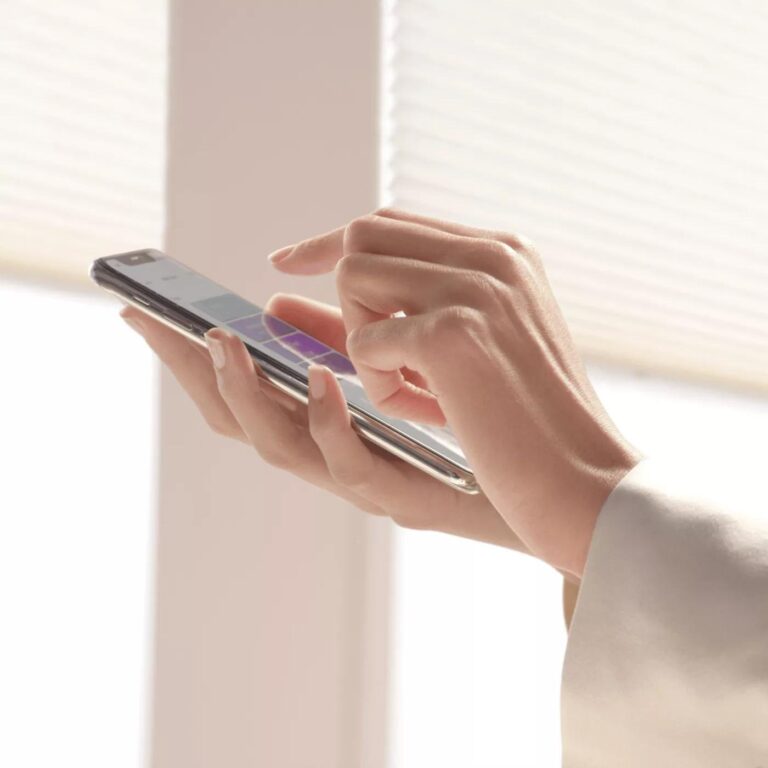
Each system has its own controls. Most motorized shades run from a smartphone app and a hub, with handheld remotes, wall keypads or a motorized wand with one touch control. Smart home automation lets you run shades by voice through the popular voice assistants and smart home apps you may already use.
Schedules and scenes do the real work. Set shades to open in the morning, lower before late afternoon heat and close at dusk, all on their own. Scenes move a group with one tap, such as every shade on the west side of the house. Many systems also link with whole home control platforms, so shades can move with your lights and thermostat.
Which Way Your Windows Face
West glass gets the first motors. In Queen Creek the late day sun hits west-facing rooms hard, so a schedule that lowers those shades in the early afternoon keeps floors, furniture and the air conditioner from working overtime. South windows see sun much of the day and benefit from the same timing.
East and north rooms need less automation. East rooms get bright morning light that fades by lunch, so a sunrise open and a midday adjustment is often enough. North windows get soft, even light, which makes them good candidates for simple rechargeable motors or manual lifts.
Room by Room Priorities
Great rooms and kitchens lead the list. These spaces usually hold the tallest glass and the most hours of use, so solar or light filtering fabrics on motors keep glare off screens and counters. A wall keypad by the patio door lets anyone in the house lower the whole room at once.
Bedrooms and media rooms come next. Room darkening fabrics on a schedule close for movie night or lower before bedtime without anyone getting up. Home offices do well with solar fabrics that soften glare on monitors while keeping the view.
Daytime and Evening Privacy
Let the schedule handle privacy. Shades on street-facing windows can close at sunset each night and open after breakfast, so the house never sits lit and exposed after dark. When you travel in the hottest months, the same schedule keeps shades moving so the home looks lived in.
Pair sheer light and full privacy. A light filtering or solar fabric gives daytime softness, while a room darkening shade layered behind it covers the evening. With motors, each layer can follow its own timing, so you get both without touching a thing.
A Simple Plan Before Move-In
Walk the framed house first. Note which windows are tall, wide or hard to reach, and which face west. Those become your motor list, and the largest of them become your hardwired list to share with your builder and electrician.
Then settle controls and fabrics. Pick your controls, from an app to wall keypads by the doors or handheld remotes, and choose one control system so everything works together. Finish by choosing fabrics and light levels room by room, so your shades can be ordered to arrive close to the day you get your keys.
Where It Fits
Queen Creek’s newer homes favor open great rooms, high ceilings and wide sliders in modern farmhouse, Spanish Colonial and desert contemporary styles. Motorized shades keep all that glass easy to manage while staying out of sight, tucked into a clean headrail or a fabric wrapped cassette.

What We Carry
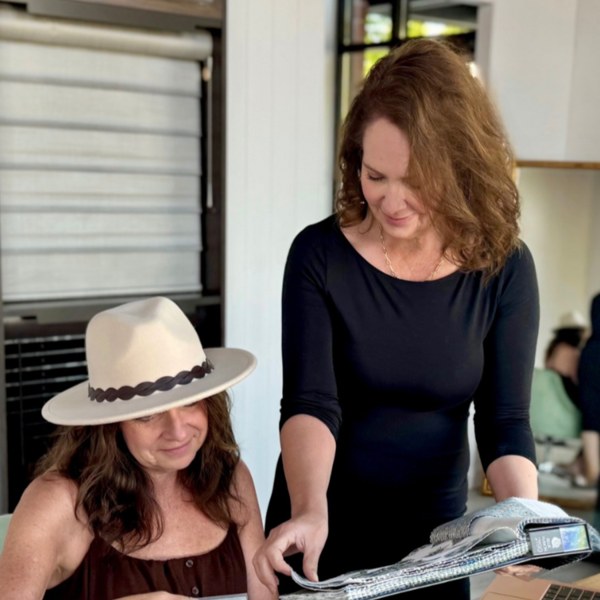
We carry premium, trusted brands and bring samples from several of them to your home so you can compare quality, colors and features side by side, including motorized honeycomb, roller, solar screen and Roman shades. Comparing systems side by side helps you choose the controls, power and price that suit your home.
Motorized Shade Questions
Do I need hardwired power for motorized shades?
No. Rechargeable battery motors run most shade styles with no wiring at all, which makes them a simple fit for finished rooms. Hardwired power is worth planning for very large, very high or hard to reach windows, and it is easiest to add while the walls are still open.
How long does a rechargeable shade battery last?
It depends on the size of the shade and how often it moves, but many rechargeable motors go months between charges. Charging is simple too, with options like a charging wand or a magnetic connector, so the shade stays on its brackets.
Will motorized shades work with my smart home?
In most cases, yes. Most motorized shade systems work with popular voice assistants, and several connect with smart home apps and whole home control platforms. We match the system to the devices you already use.
Can I start with a few rooms and add more later?
Yes. Many homeowners begin with the tallest windows and the west-facing rooms, then add bedrooms or offices over time. Staying with one control system keeps every shade in the same app and schedule.
Is measuring and installation part of the price?
Measuring is part of your complimentary consultation. We take measurements while we look at your windows together, so your quote is built around your home. Professional installation is quoted separately and coordinated by our team with our trusted local installer, so your new window coverings go up beautifully and work just right from day one.
Let’s Plan Your Shades
If motorized shades are part of your plans for a Queen Creek home, we would love to help. Schedule a complimentary in-home consultation and we will bring samples and controls to your home. You can also explore our motorized window coverings or learn more about our window coverings in Queen Creek.
You might also enjoy Window Coverings for New Homes in Queen Creek and Roller Shades in Queen Creek.
By the Pearl & Co Design Team. Pearl & Co is a woman-owned window covering company based in Queen Creek, Arizona. We love helping new homeowners plan shades, power and controls while the house is still taking shape.